Weekly CGP Read (13.07.2026)


Watch the video
Markets React to Strait of Hormuz Closure
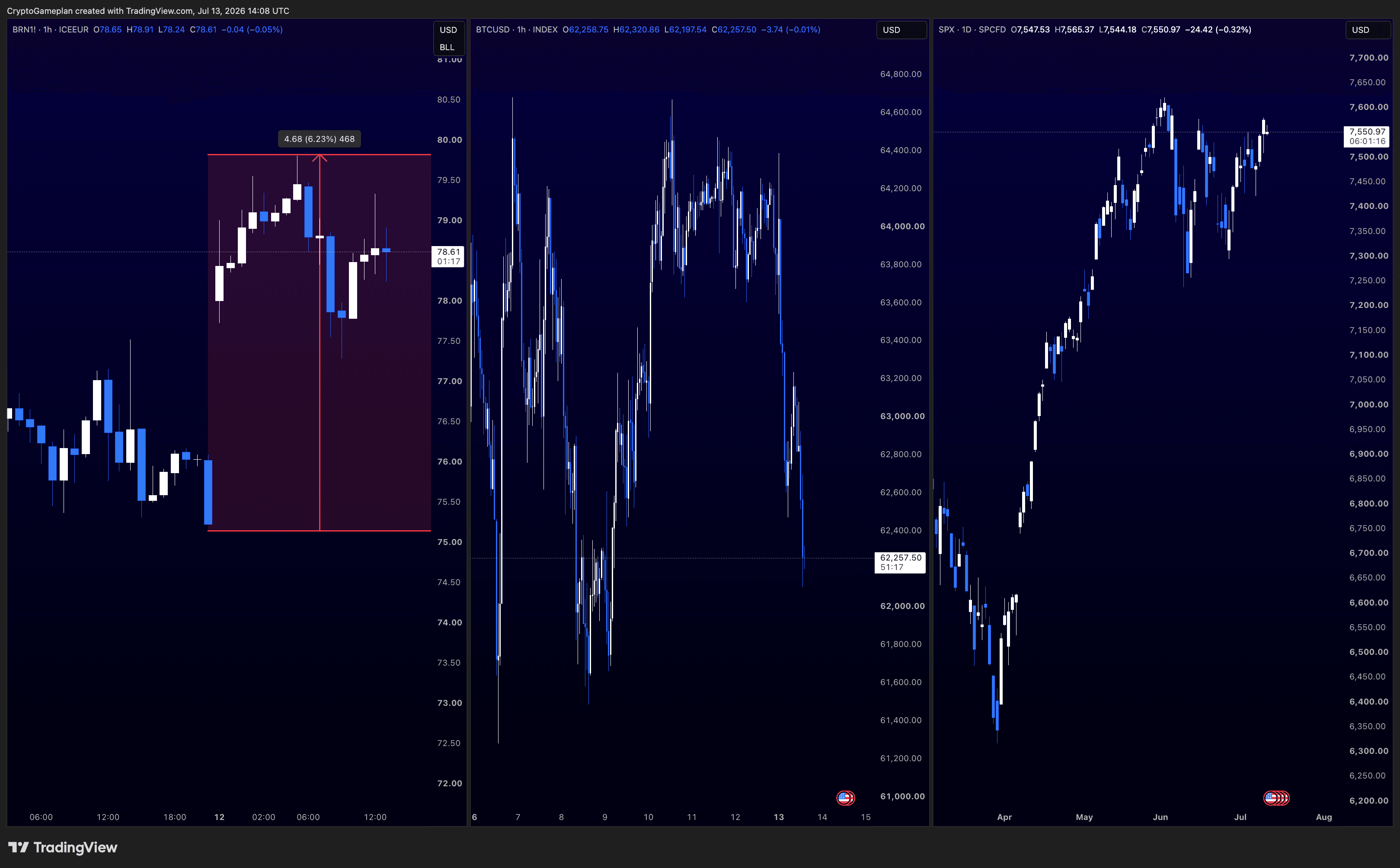
US Iran conflict starts again with every newly discussed deal lose reliability
OIL Futures jumped +5% after latest US Attacks
Bitcoin Sharply corrected and broke its positive trend
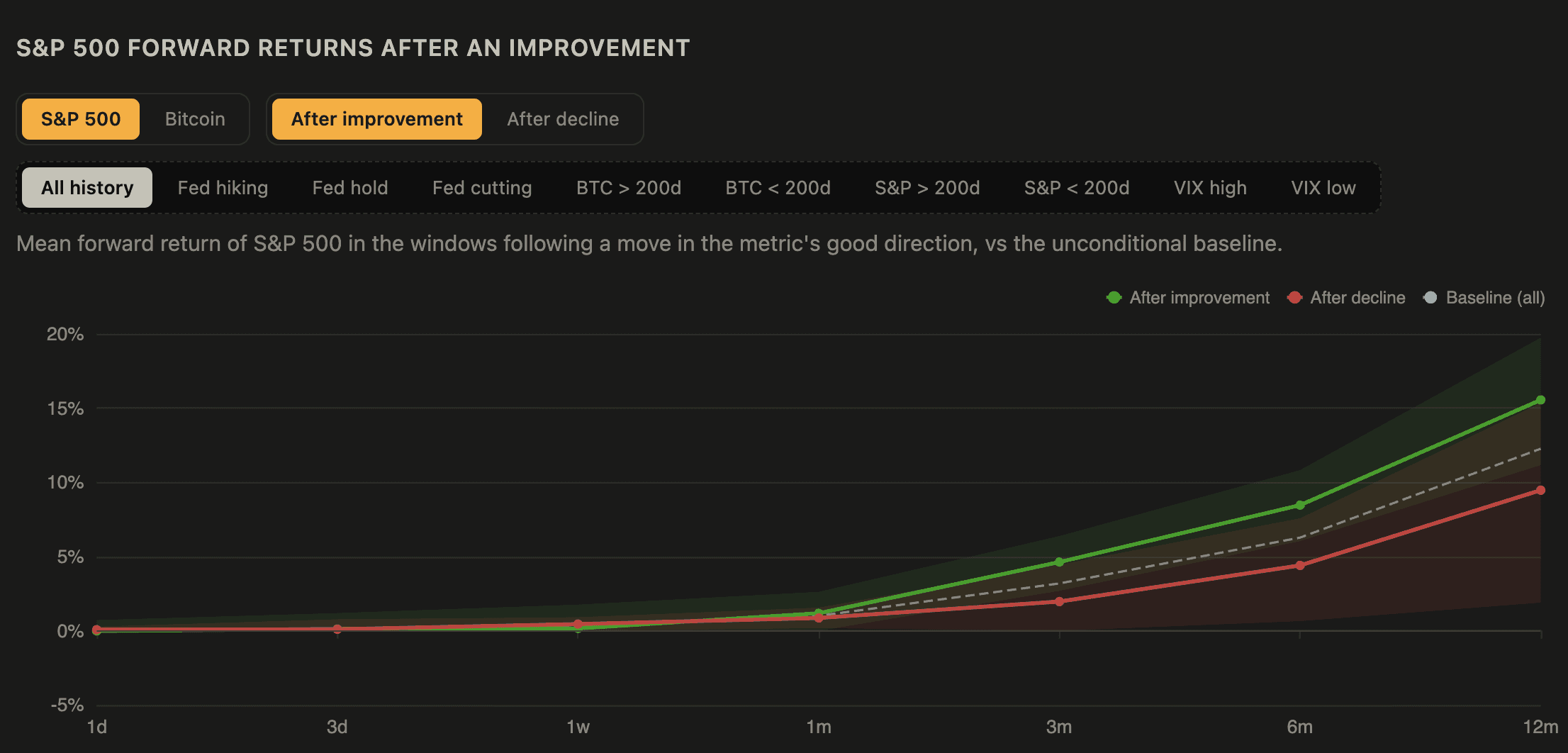
June CPI Inflation data
What it is. The Consumer Price Index tracks what a fixed basket of goods and services costs US households, the government's main headline inflation gauge.
How it's measured. The Bureau of Labor Statistics prices thousands of items each month across food, energy, housing, and everything else, then indexes the total to a 1982-84 base.
Why it matters for markets. Inflation drives Fed policy directly. Hot CPI prints push rate-cut odds down and can hit both stocks and bonds; cool prints do the opposite.
How to read it. A rise means prices are accelerating (usually bad for risk assets, since it argues for tighter policy). A fall toward the Fed's 2% target is read as good news.

June PPI Inflation data
What it is. The Producer Price Index tracks prices businesses receive for the goods and services they sell, a step earlier in the supply chain than consumer prices.
How it's measured. The BLS surveys producers across goods, services, and construction and combines them into a final-demand index.
Why it matters for markets. PPI often moves before CPI, since higher input and output costs get passed on to consumers with a lag, so it's watched as an early inflation signal.
How to read it. A rise suggests consumer inflation may pick up next (bad for markets). A fall suggests pipeline price pressure is easing.
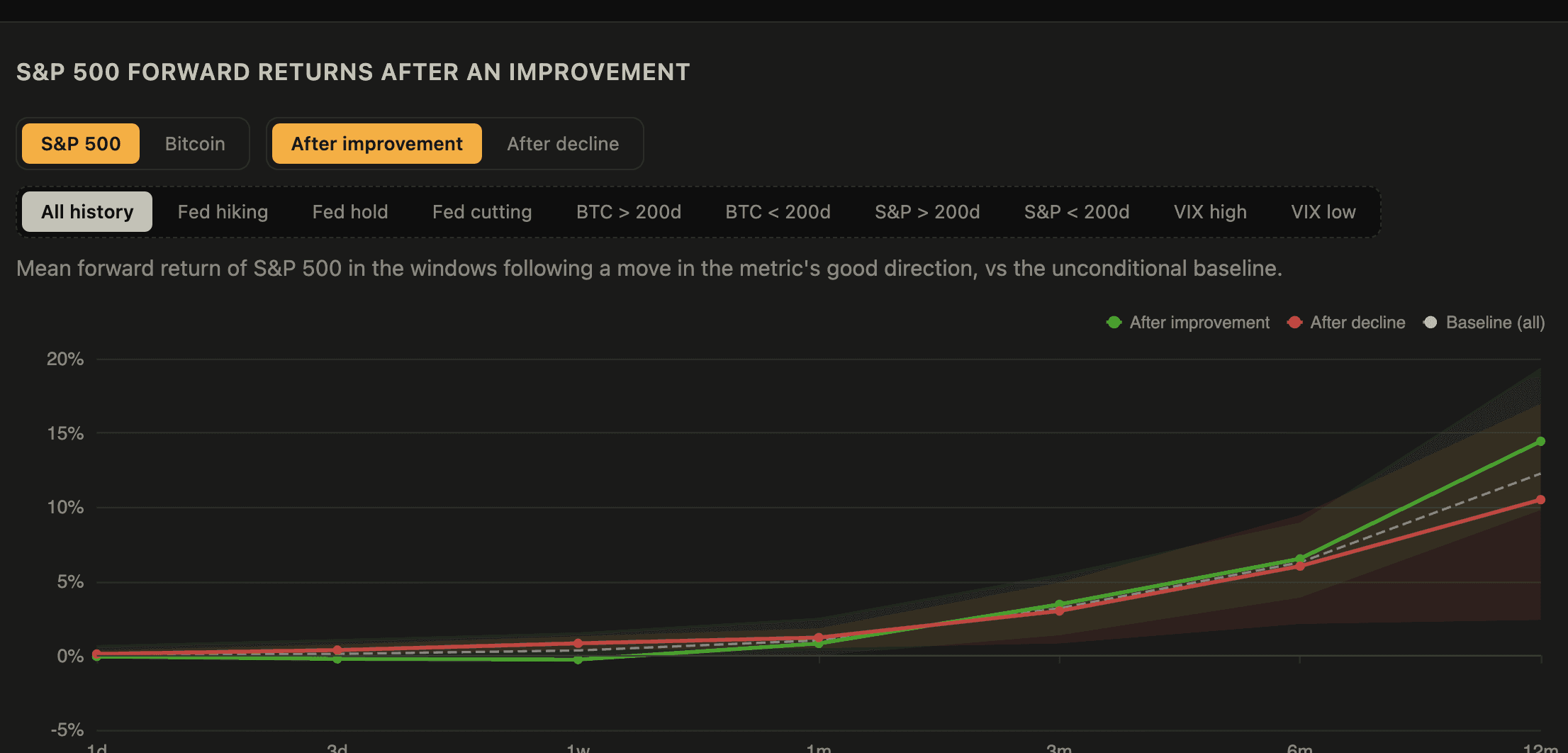
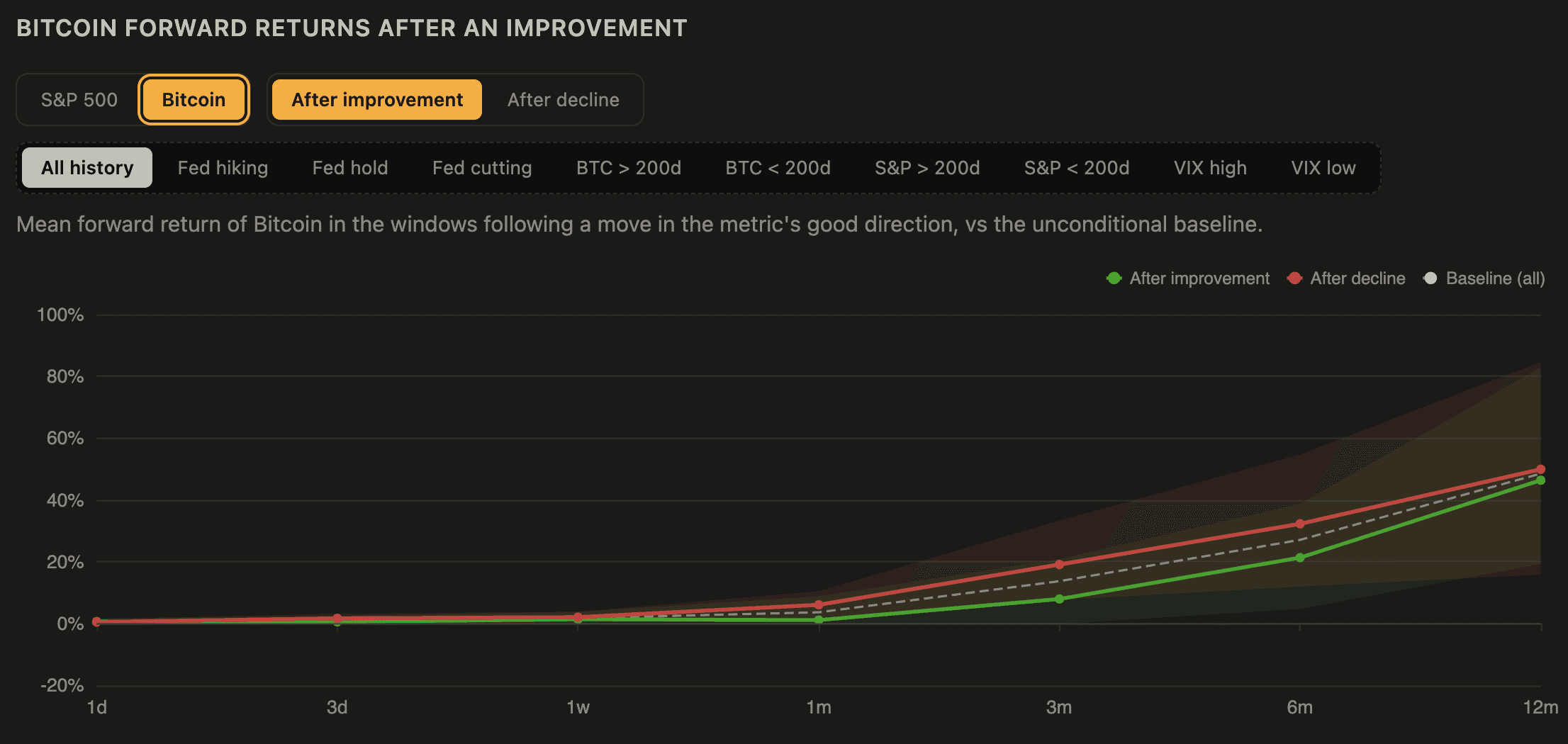
June Retail Sales data
What it is. Retail sales tracks total spending at US retail stores and restaurants, a direct read on consumer demand, which drives most of the US economy.
How it's measured. The Census Bureau surveys a sample of retailers each month and grosses the results up to a national total, in dollar terms, not seasonally cleaned for inflation.
Why it matters for markets. Consumer spending is roughly two-thirds of US GDP, so this is one of the most watched growth and demand signals available.
How to read it. A rise means households are spending more (supports growth, can also add to inflation if demand outpaces supply). A fall signals consumers are pulling back.
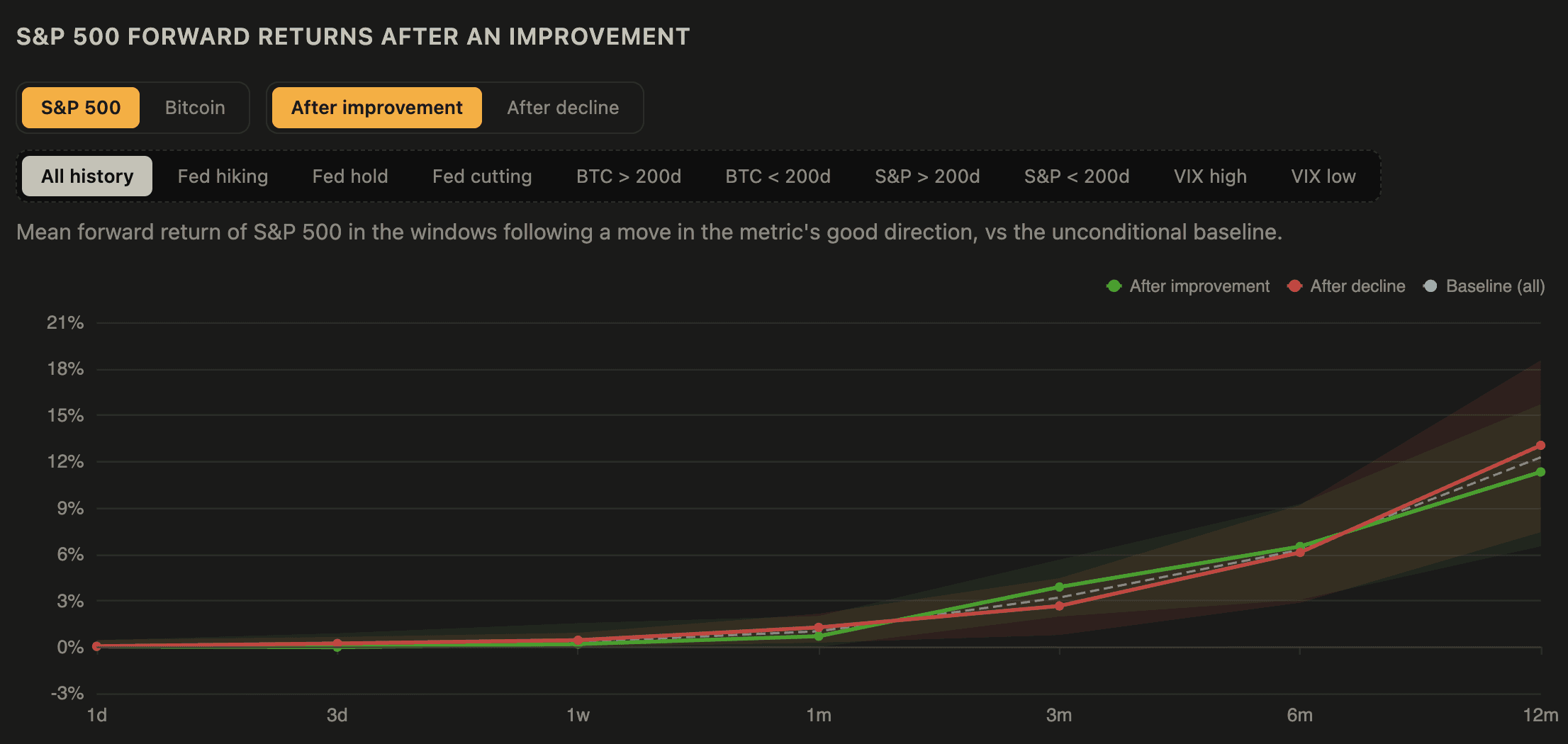
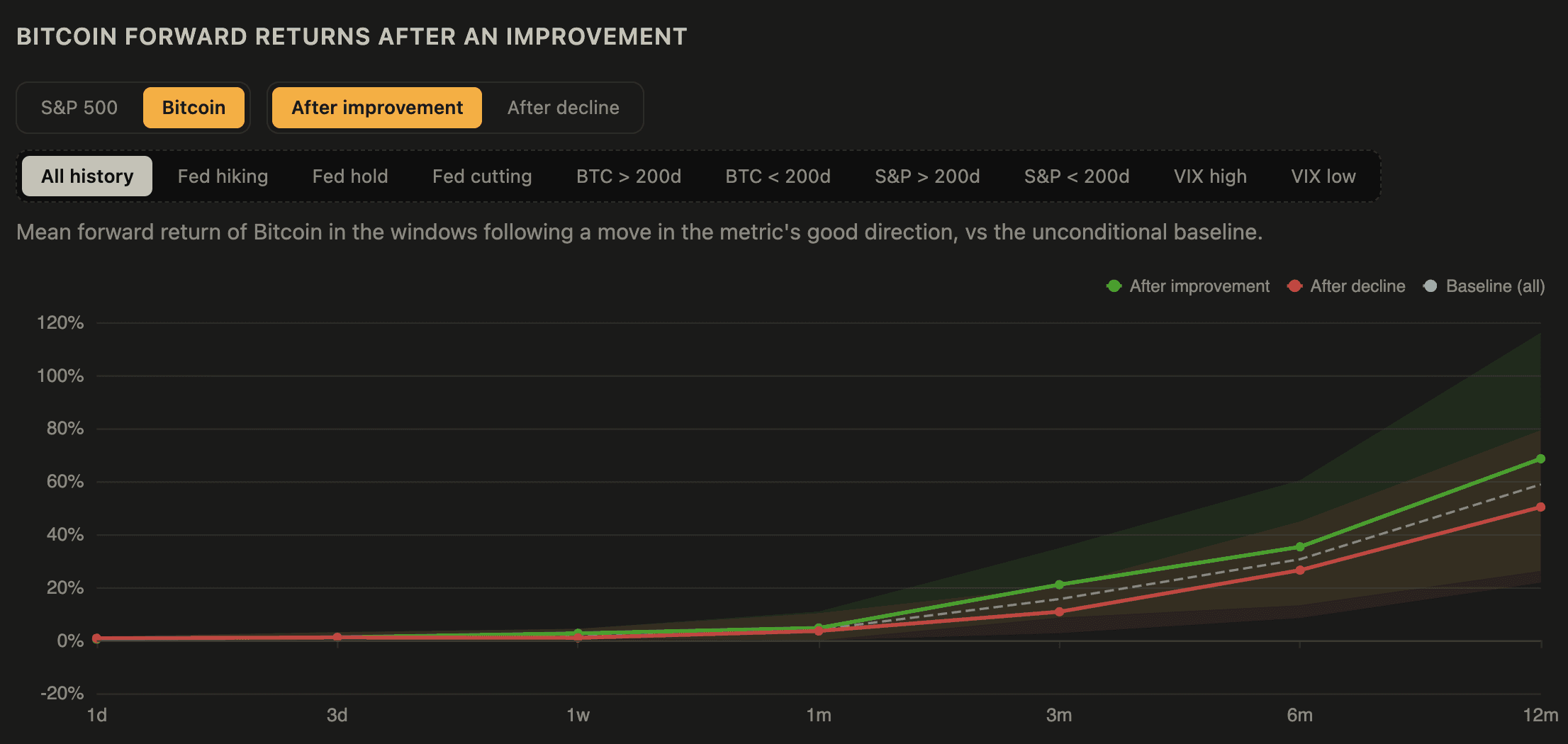
~10% of S&P 500 Companies Report Earnings
1. The Big Banks & Financials (The Heavyweights)
Financials dominate the calendar this week. Investors will be dissecting these reports for clues about consumer spending, credit card delinquency rates, and whether investment banking deal-making is finally rebounding.
Tuesday, July 14 (Before Market Open):
JPMorgan Chase (JPM): The bellwether for the U.S. economy. Markets will look at their Net Interest Income (NII) guidance and consumer credit loss provisions.
Bank of America (BAC): Heavy focus on their consumer banking division and wealth management.
Goldman Sachs (GS) & Citigroup (C): The focus here will be heavily on trading revenues and investment banking fees, looking for signs of a revived IPO and M&A market.
Wells Fargo (WFC): Focus remains on their continued cost-cutting measures and mortgage lending volume.
Wednesday, July 15 (Before Market Open):
Morgan Stanley (MS): Wealth management asset flows will be the key metric.
BlackRock (BLK): As the world's largest asset manager, their AUM (Assets Under Management) flows give a direct read on institutional and retail investor sentiment.
2. Semiconductors & Tech (The AI Backbone)
While Big Tech won't report until later in the month, this week features two of the most critical foundational companies for the global tech and AI supply chain, plus the bellwether for streaming.
Wednesday, July 15:
ASML: The sole supplier of extreme ultraviolet (EUV) lithography machines. Their order book is a leading indicator for future global chip manufacturing capacity.
Thursday, July 16 (Before Market Open):
Taiwan Semiconductor Manufacturing Co. (TSM): The manufacturer for Apple, Nvidia, and AMD. Their revenue guidance is the single best proxy for global AI hardware and smartphone demand.
Thursday, July 16 (After Market Close):
Netflix (NFLX): After a disappointing previous quarter, the market is looking for total sales growth to return to around 15%. Focus will be on subscriber additions, the performance of their ad-supported tier, and crackdowns on password sharing.
Healthcare & Managed Care (Cost Pressures)
A major week for the medical sector, providing a look into hospital procedure volumes, insurance costs, and pharma sales.
Wednesday, July 15 (Before Market Open):
Johnson & Johnson (JNJ): A massive defensive play. Focus will be on their pharmaceutical pipeline and MedTech division growth.
Thursday, July 16 (Before Market Open):
UnitedHealth Group (UNH): The largest U.S. health insurer. Investors will strictly monitor their "medical loss ratio" (how much they pay out in claims vs. collect in premiums) to see if rising healthcare utilization is squeezing margins.
Abbott Laboratories (ABT): Diagnostics and medical device sales.
Thursday, July 16 (After Market Close):
Intuitive Surgical (ISRG): The maker of the da Vinci robotic surgical system. Their results are a direct indicator of elective hospital procedure volumes.
4. Industrials
Thursday, July 16 (Before Market Open):
GE Aerospace (GE): As a newly spun-off standalone aviation company, their earnings will provide insight into the commercial airline industry's ongoing demand for new planes and aftermarket engine servicing.
FROM INSIGHT TO PROCESS
Want more?
Tools like this are just a small preview of the system behind CryptoGameplan. If you are serious about managing a 6-7 figure crypto portfolio with structure instead of emotion, see if CGP is the right fit for you.
Education and research. You make and execute every final decision.
© 2026 Crypto Gameplan. All Rights Reserved.